The New Warmth: Why Interiors Are Moving Beyond Cool Minamilism
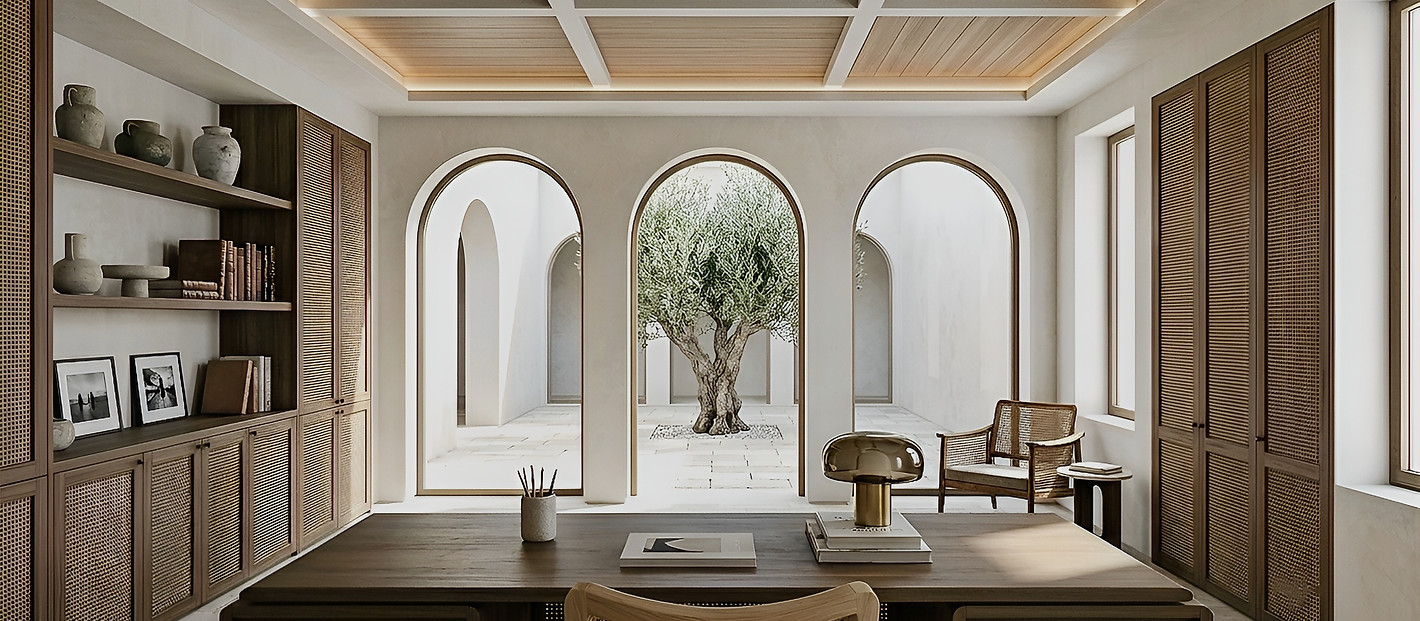
The New Warmth explores the shift away from cool, clinical minimalism towards interiors that feel softer, richer and more emotionally resonant. Through warm undertones, tactile materials and considered contrast, it reveals how contemporary spaces can remain refined while feeling distinctly more human.


The Art of Considered Contrast
This shift reflects a broader change in how people want their homes to feel. Refinement is no longer measured by how little a room contains, but by how thoughtfully each element has been selected. A hand-finished plaster wall, beautifully veined stone or a deeply textured fabric can bring more presence to a space than layers of decoration ever could.
In warm neutral interiors, contrast becomes especially important. Pale limestone feels more dimensional beside dark walnut. Soft bouclé gains definition against bronze or blackened metal. A sculptural artwork introduces energy without disturbing the calm. The most successful spaces balance softness with structure, allowing each material to be clearly felt.
This approach is particularly suited to homes in the Gulf, where strong natural light can make cool palettes appear stark or overly reflective. Warm undertones soften that brightness, while tactile surfaces bring a sense of intimacy to large-scale rooms. The effect is elegant during the day and atmospheric in the evening—equally suited to quiet retreat and generous hospitality.
Warmth, however, should not be confused with excess. It is not created by filling every surface or introducing countless shades of beige. It comes from proportion, light and materiality: the weight of a curtain, the grain of timber, the softness of a rug beneath stone flooring, or the way a room glows after sunset.
At NUVRA, we see this evolution as a move towards interiors that feel more enduring and emotionally resonant. Clean architecture remains essential, but it is now balanced by comfort, craft and character.
The future of minimalism is not less considered. It is simply more human.